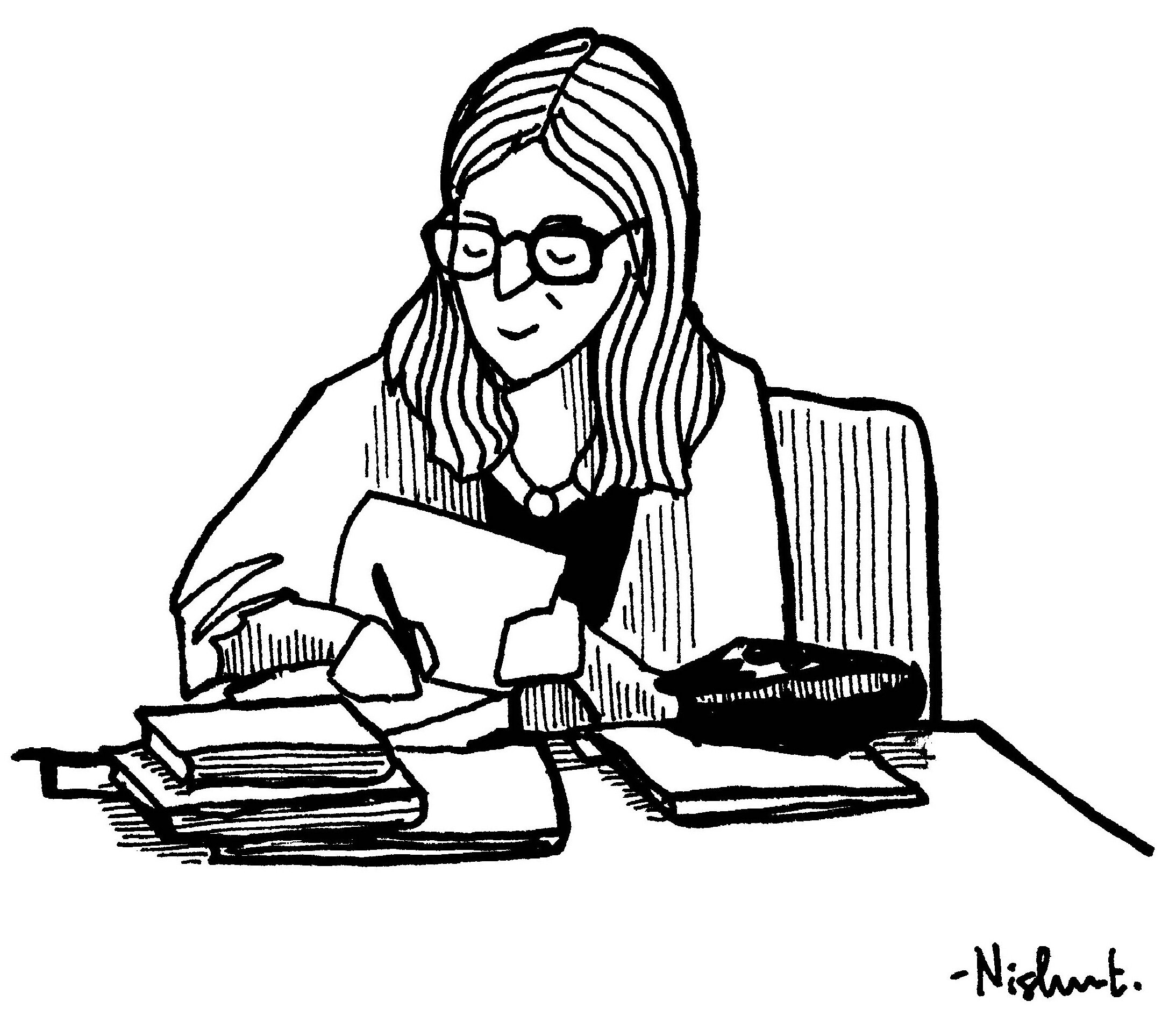
Art © Nishant Jain, 2021. Used by permission of the artist
Welcome to the official website and blog of Uma Krishnaswami, writer and author of children's books, Astrid Lindgren Memorial Award nominee, 2020 and 2021. For over twenty-five years, Uma has written picture books, chapter books, early readers, short stories, retold story collections, and novels for young readers. She has spoken to audiences in the US, Canada, India, Singapore, and Hong Kong. Uma's books have been translated into eleven languages. She is published by Atheneum, Groundwood Books, Lee & Low, Dundurn Press, Scholastic India, and Tulika Books (India). From 2006-2020, Uma taught writing in the low-residency MFA program in Writing for Children and Young Adults, Vermont College of Fine Arts, where she is now faculty emerita. Born in India, Uma lives and writes in Victoria, British Columbia, Canada.
Represented by Ginger Knowlton of Curtis Brown, Ltd. For school and conference bookings, please visit The Booking Biz.
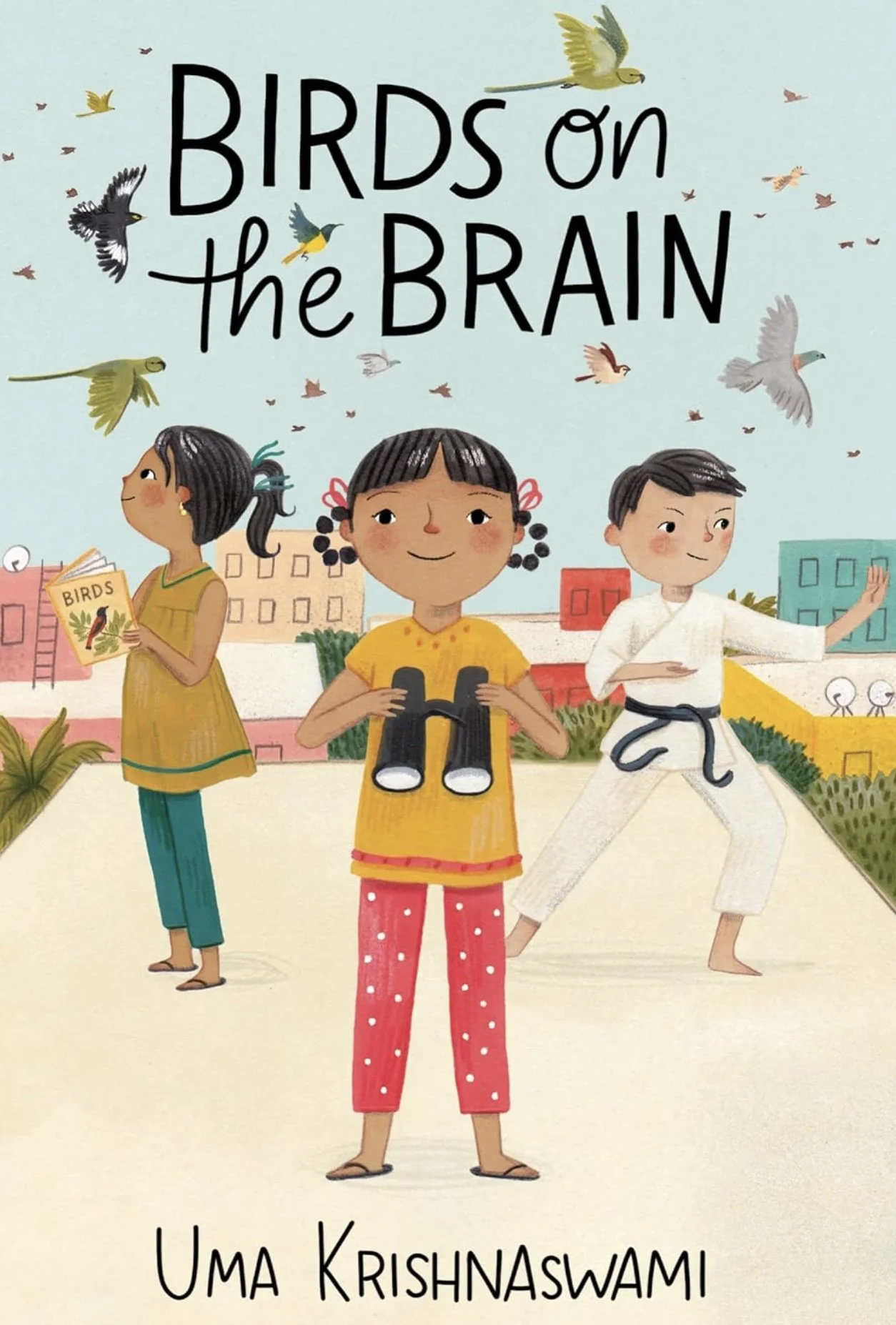
NEWS! Birds on the Brain was selected winner of the 2025 City of Victoria Children’s Book Prize!
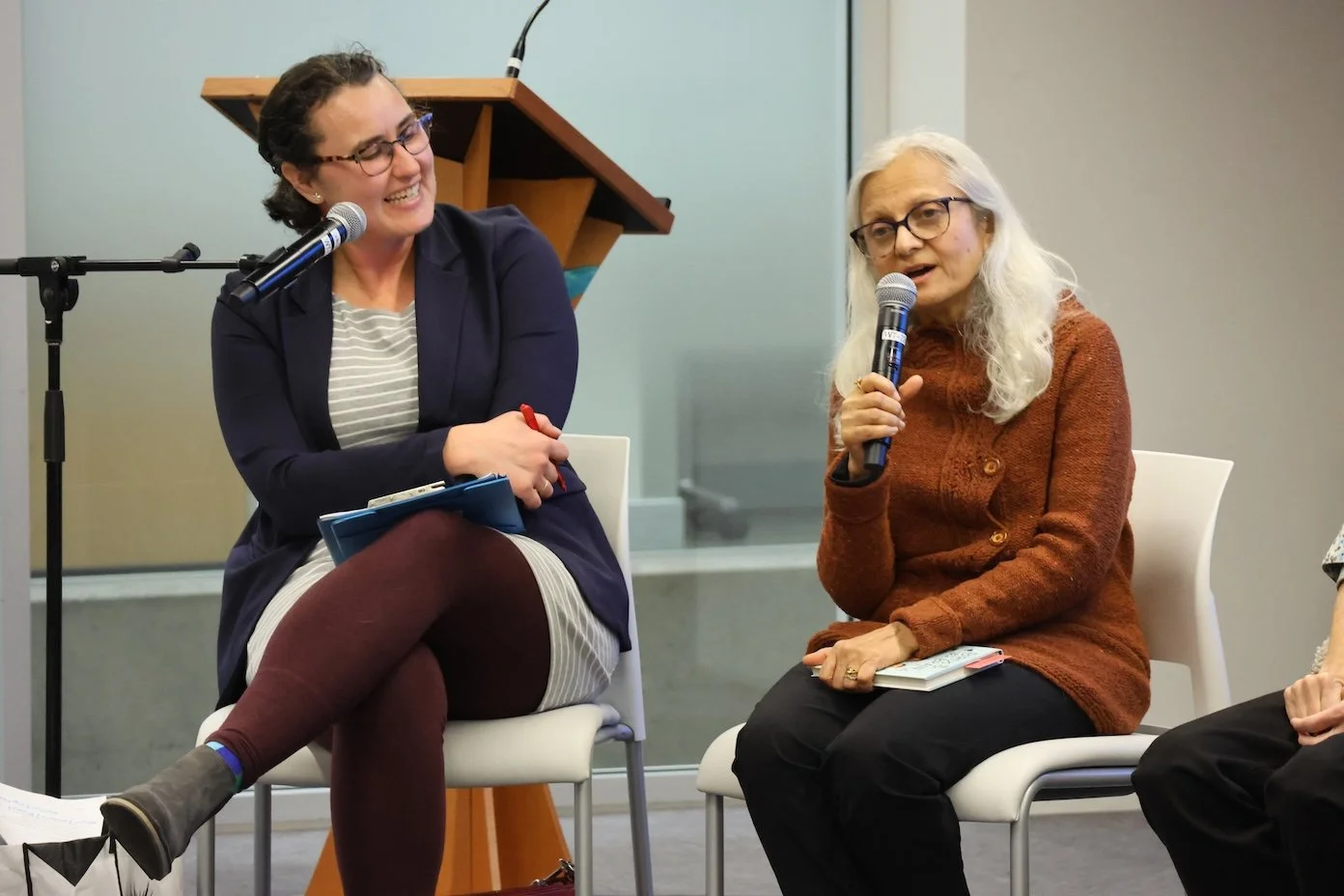
On a panel of shortlisted authors, Victoria Book Prizes 2025, moderated by CBC’s Kathryn Marlow. Photo © S. Shrikhande
Selected Books
Recent Blog Posts
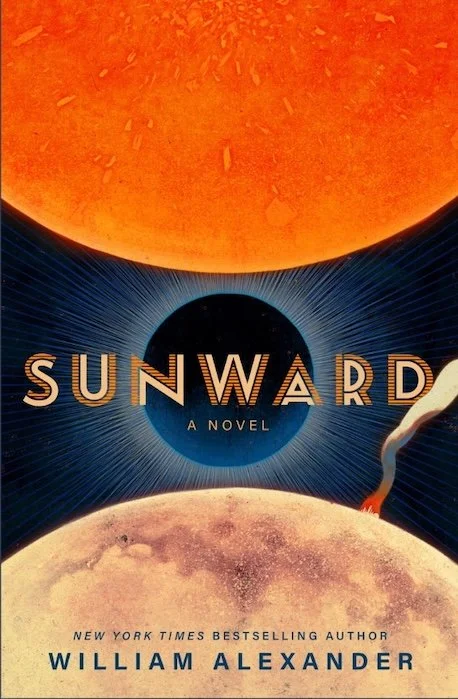
When I taught at VCFA, I had the pleasure of serving on faculty with plenty of smart, informed, talented writers. Among them was William Alexander. Will is the author of Goblin Secrets (a National Book Award winner), Nomad, A Properly Unhaunted Place, and other novels, as well as chapter books both fiction and non.
Now he’s written a book for grownups, Sunward, in which the protagonist, Tova Lir, is a planetary courier responsible for training adolescent androids.Is this space opera, or cozy sci-fi? Maybe it’s both. In the world of Sunward, robotic kids need care, nurturing, raising, much like human kids. The novel is set in a solar system racked by interplanetary conflict in the wake of an explosion on Earth’s moon. In the best sci-fi tradition, this is at once our world, and not.
Allow me a brief digression. This blog, Writing With a Broken Tusk, is named for a boy who was made, not born. That’s the essence of the origin story (over a thousand years old) of Ganesha/Ganesh, the elephant headed god of Hindu tradition. The goddess Parvati made him—from earth, in some tellings and in others, from dirt and/or skin cells sloughed off her own body. A post about a book that deals with raising robotic foster children felt like a good fit here.
In Sunward, fiction creates dynamic possibilities out of the dismal future projections that inundate us. It also contains implications for real children. Thank you, Will, for indulging me and writing this guest post for WWBT.
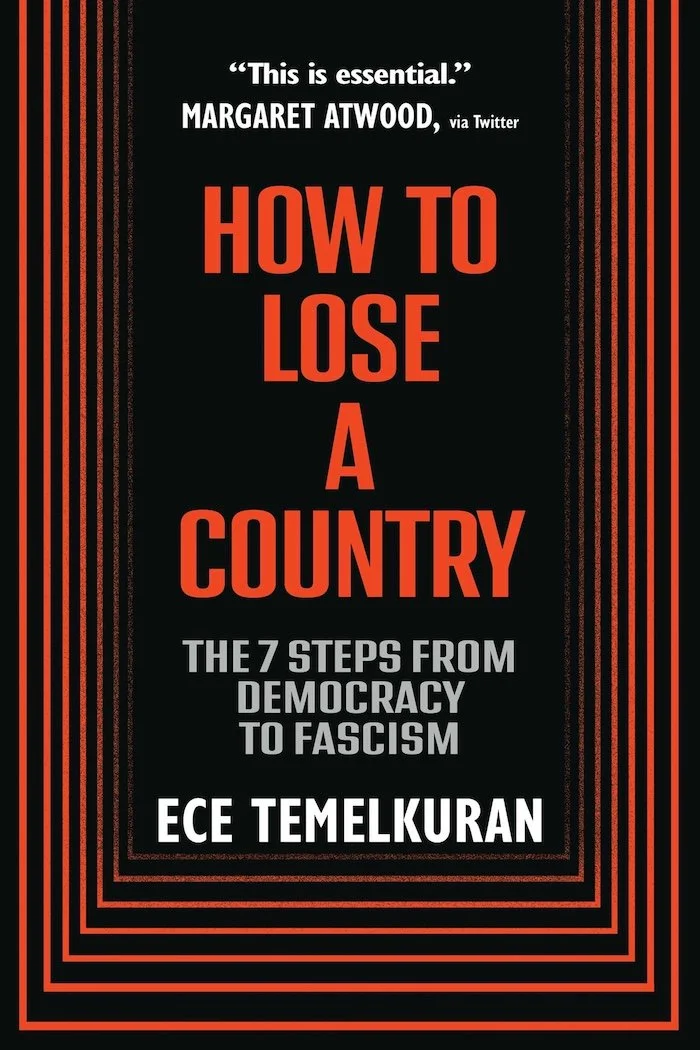
How to Lose a Country: The 7 Steps From Democracy to Fascism by Ece Temelkuran is rooted in the author’s experience in Turkey, but the picture it draws is of the rising neo-fascist right, not just in one country but around the world.
When I’m thinking of a work in progress, I tend to use everything I read as a filter for the undeveloped work. So I read Ece Temelkuran’s nonfiction work of politics, history, and memoir while simultaneously reflecting on entry points into a verse novel that is still a drafty patchwork of intentions and plot and half-formed characters. The world of the novel is a dystopian North America. Like a few other early drafts, it was dashed off in a great fury and then put away for a year or two, or five, to marinate in its own juices, depleted of the urgency that sent it spiralling up in the first place. My process, be warned, is messy, and I wouldn't recommend it to anyone. You go find your own way to mess up.
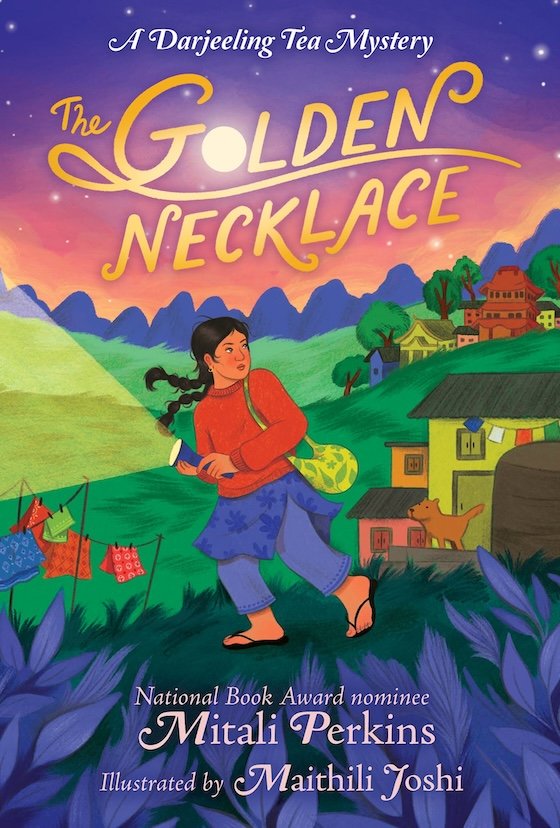
Mitali Perkins has been my fellow traveler on the long road of writing books for young readers with the specific aim of crossing cultural and geographical boundaries. In 2017, her novel, You Bring the Distant Near, was a National Book Award nominee. Her Rickshaw Girl won the Jane Addams Book Award. And I can think back to years ago, when I came across her first novel, The Sunita Experiment. It gave me courage to write the stories that were nagging at me.
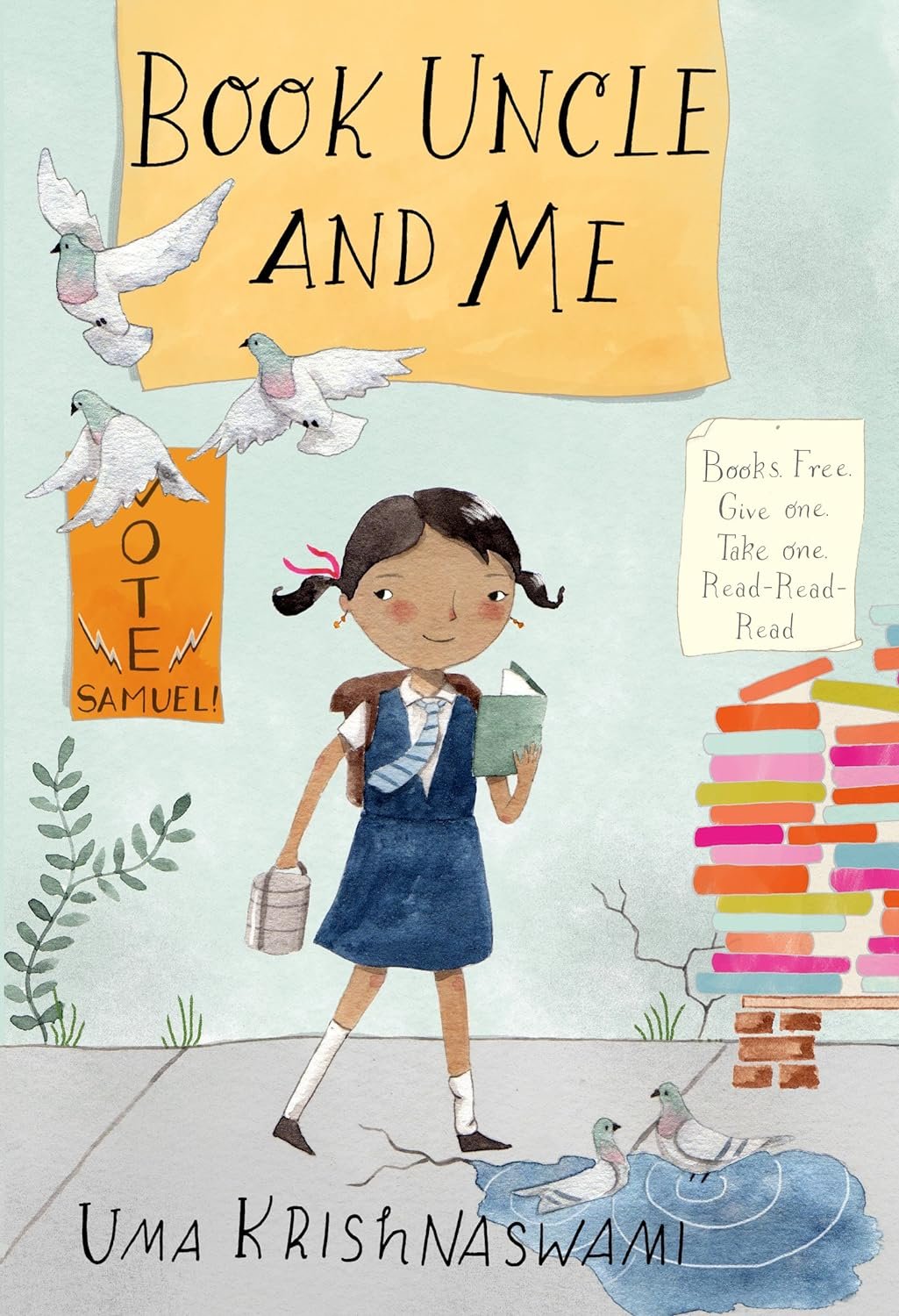
Now, Mitali’s upper elementary novel, The Golden Necklace: A Darjeeling Tea Mystery, like my Book Uncle trilogy, has been published in the US and in India (the Indian title is Trouble in the Tea Gardens). I’m delighted to welcome Mitali to Writing With a Broken Tusk.
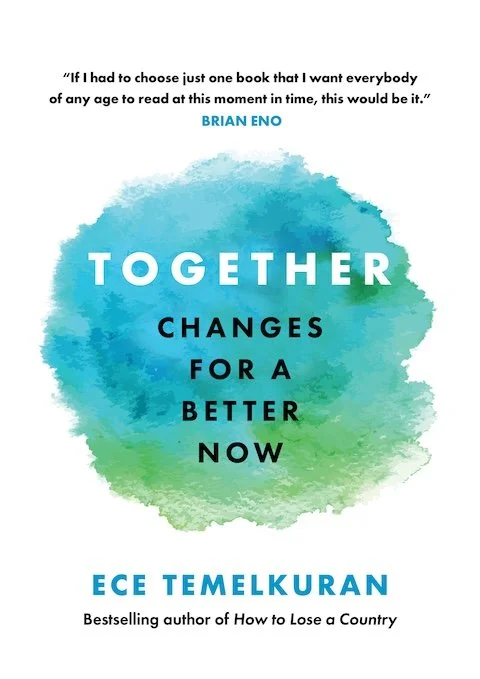
Together by political thinker and poet Ece Temelkuran traces upon the imagination the contours of a better world, a fairer world, a world where the toxic power play of a few need not create unrelenting misery for many. Her vision aligns remarkably with a vision of a fictional worldview that I’ve been chasing for decades without knowing it.
The book appears to have been published with a shifting, changing flow of subtitles: 10 Choices for a Better Now (Fourth Estate UK, 2021); A Manifesto Against the Heartless World (Fourth Estate UK, 2022); and Changes for a Better Now (Scribner Canada, 2025)
The e-book version I read uses the milder “changes” in its subtitle, but there’s plenty of heartlessness described on the inside. The writer pulls no punches:
Headlines used to be about information, about what was going on in the world. I remember those times with nostalgia. Possibly the world was a clown show back then as well, and I just wasn’t paying attention.
This year, I listened to the audiobook of Patriot, the posthumously published memoir of Russian democracy activist and opposition leader Alexei Navalny. I expected this to be tough listening. How could it not be, since I knew all the horrible things that had been done to its writer? I braced myself.
Then the opening whacked me over the head.
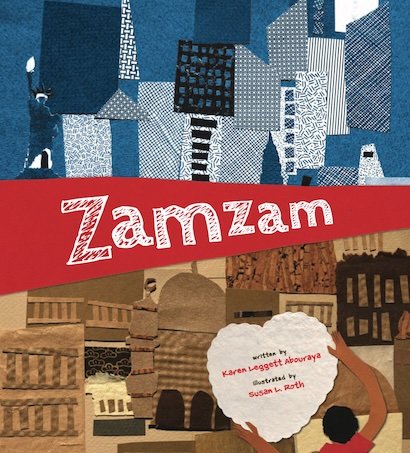
Karen Leggett Abouraya and Susan L. Roth have collaborated on picture books for years. Yes, collaborated, which isn’t something authors and illustrators are known to do in North American publishing. We’re all carefully schooled in detachment in the creation of picture books, right? Here’s a different take on this.
Their picture book, Zamzam, is an ode to family love that reaches its arms around the world, and an exploration of the big and little differences that colour us human. It’s also a verbal-visual collaboration.
When the audiobook of Ann Dávila Cardinal’s novel, The Storyteller’s Death, showed up on my Libby app, a global read, no less, I was overjoyed. I know Ann from our time together at VCFA. (She’s recently joined the faculty of a brand new MFA program in Writing for Young Readers at the University of San Francisco.) I know her words are as wide and bold as her laugh. I knew I was in for a treat.
I was immediately drawn into the audiobook, finding myself resenting every pause in the service of mundane tasks. I ended up doing what I rarely ever do—when I finished listening to the audiobook, I got myself a paper copy so I could sense this story the old-fashioned way, by scanning text and turning pages. To keep my conversation with this book going, I’m so pleased to welcome Ann Dávila Cardinal to Writing With a Broken Tusk.
Only in America would a Democratic Socialist candidate cause as much pearl-clutching as Zohran Mamdani managed to set off. Primary voters cast enthusiastic ballots for him, electing him the Democratic candidate in the race. Then came a tidal wave of misinformation and attacks. It felt as if the pushback came precisely because he was trying to be the first millennial, Muslim, Indian-American mayor of New York City.
But Zohran had built a powerful campaign. Volunteers knocked on over a million doors on his behalf. And he had done something else. He’d walked the five boroughs of the city, meeting voters and getting to know their lives and their concerns.
This is the element of Zohran Mamdani’s story that led to today’s delightful picture book, Zohran Walks New York by Millie von Platen (Calkins Creek).
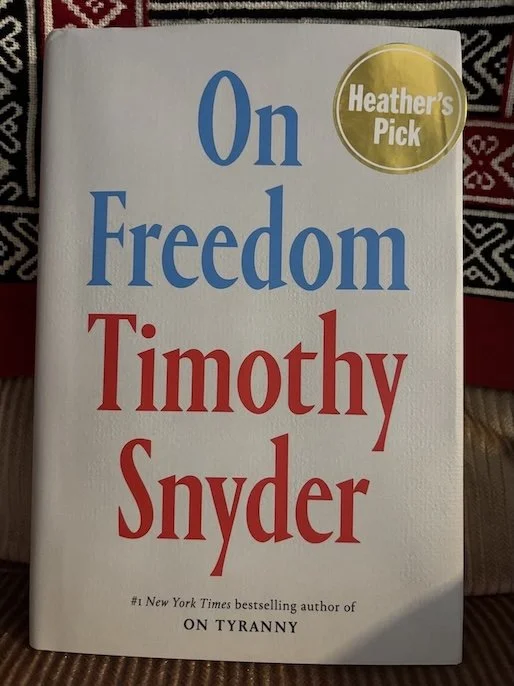
On Freedom is Timothy Snyder’s (On Tyranny) meditation on the nature of people, especially Americans, and the meaning of freedom. Historian Snyder argues that freedom is a concept in need of rescuing from “overuse and abuse.” Americans, he says, have erroneously come to imagine that freedom means no more than a lack of barriers. It ought to mean more, and he sets out to tell us how.
In Landmarks, Robert Macfarlane wrote about the land in ways that made me feel as if I could touch the moss, hear the water flow. His prose enchanted, prompting me to read out loud. But I have only ever been a tourist in England, so while I was dazzled by the intricate connections of land and language, Landmarks, on the whole, spoke to me intellectually rather than emotionally. This book is different. Is a River Alive? flows through three distinct waterscapes and links them inescapably with our own human water bodies.