Writing With a Broken Tusk

Writing With a Broken Tusk began in 2006 as a blog about overlapping geographies, personal and real-world, and writing books for children. Since March 2024, Jen Breach (writer, VCFA graduate, and former student) has helped me curate and manage guest posts and Process Talk pieces on this blog.
The blog name refers to the mythical pact between the poet Vyaasa and the Hindu elephant headed god Ganesha who was his scribe during the composition of the epic narrative, the Mahabharata. It also refers to my second published book, edited by the generous and brilliant Diantha Thorpe of Linnet Books/The Shoe String Press, published in 1996, acquired and republished by August House, now part of Reading Is Fundamental, and still miraculously in print.
Posts on this site reflect personal opinion and commentary protected under the Canadian Charter of Rights and Freedoms and the First Amendment of the US Constitution.

Dreams For Sale Along the Silk Road
When I was a child, place names from history captivated me: Mohenjo Daro, Samarkand, Pompeii. They rolled off the tongue, promising visions larger than life. Among them was the name of a desert in China—Taklamakan. Its waves of sand formed crescent shapes that kept shifting and forming, over and over, covering an expanse so wide a person could see no end to it. Once you entered this world of sand dunes, you couldn’t leave.
The Taklamakan was just one enchanting spot along what has come to be called the Silk Road: a network of trade and travel routes that opened up rich cultural exchanges and in the process, changed history. Languages shifted. Glassmaking entered China. Paper made its way west. Bandits and monks, traders and adventurers traversed these routes, leaving stories scattered in their wake along a stretch of land so vast it straddled continents.
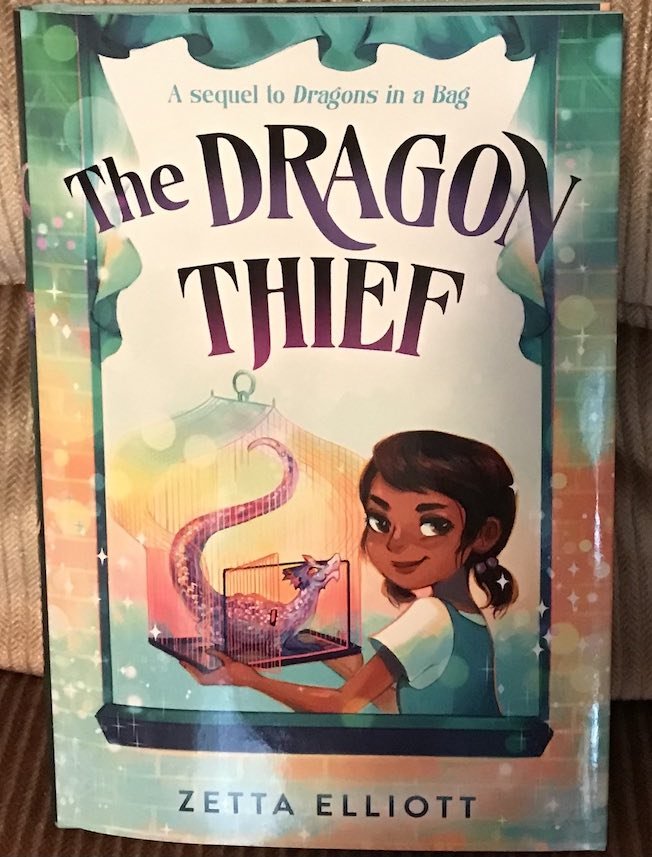
Process Talk: Zetta Elliott on Dragons in a Bag (Part 2)
Here’s Part 2 of my conversation with Zetta Elliott about her Dragons in a Bag series.
[Uma] I was thrilled to see Book 2 weaving in the history of Siddi people in India. It’s a history so subject to centuries of erasure that it just made me happy to see it, particularly this way, so loving and threaded through with magic. Can you tell me more about writing this part of The Dragon Thief?