Writing With a Broken Tusk

Writing With a Broken Tusk began in 2006 as a blog about overlapping geographies, personal and real-world, and writing books for children. Since March 2024, Jen Breach (writer, VCFA graduate, and former student) has helped me curate and manage guest posts and Process Talk pieces on this blog.
The blog name refers to the mythical pact between the poet Vyaasa and the Hindu elephant headed god Ganesha who was his scribe during the composition of the epic narrative, the Mahabharata. It also refers to my second published book, edited by the generous and brilliant Diantha Thorpe of Linnet Books/The Shoe String Press, published in 1996, acquired and republished by August House, now part of Reading Is Fundamental, and still miraculously in print.
Posts on this site reflect personal opinion and commentary protected under the Canadian Charter of Rights and Freedoms and the First Amendment of the US Constitution.
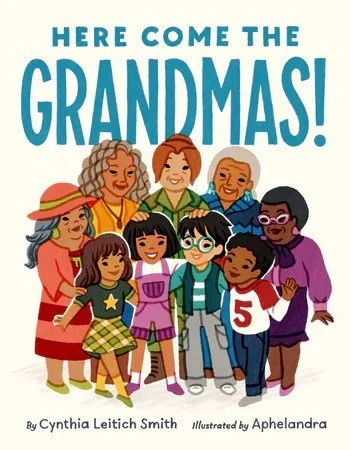
Guest Post: Cynthia Leitich Smith on the Formidable and Necessary Power of Aunties and Grandmas
Here Come the Aunties! by Cynthia Leitich Smith (Muscogee), illustrated in joyful, frolicking spreads by Aphelandra (Oneida), is a tribute to all kinds of aunties, whether by kin or by choice. Each of these women carries her own energy into the world of the child narrator. From handmade moccasins to new baby gifts to history to hugs, each comes bearing gifts. The underlying storyline of that new baby weaves its way through text and images.
Now Cynthia’s written a companion book, Here Come the Grandmas! equally deserving of the exclamation mark in its title. Also illustrated by Aphelandra, the book opens with Grandma Kathy carrying branches “for the fire at the last summer camp out on the rez in Oklahoma.” It ends with a pizza party after a baseball game. In between are grandmas doing their grandma thing in a profusion of ways, all undergirded by affection and a wealth of talent.
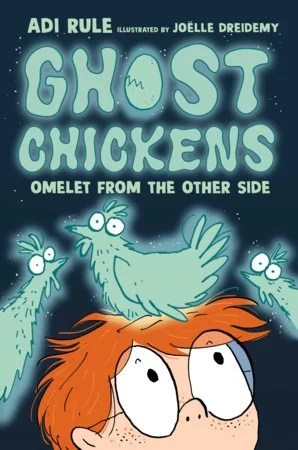
Guest Post: Adi Rule on Ghost Chickens: Omelet from the Other Side
Florence Fortescue is an aspiring journalist. She’s also ten years old, that marvellous age of awareness when a kid lands at last in the double digits and the world is opening up but there are those pesky adults trying to hold you back in your bid to make a trail, strike a note, make a mark all your own. She’s also wonderfully bossy, with a dizzying faith in her own competence combined with solid reliance on plain old good luck.
Florence’s parents have insisted on moving her to the country and her best friend has been left behind and if that isn’t bad enough, there are ghosts.
Adi Rule is a VCFA graduate from the program where I taught for sixteen years and this is her new middle grade we’re talking about, Ghosts Chickens: Omelet From the Other Side. It’s peopled with eccentrics of all ages and species. Songwriter Dad collects glass owls. Mom designs submarines. The ghost chickens appear after Florence eats a weirdly glowing green egg.
But I get ahead of myself. Back up a minute. The book starts here:
WARNING
If you ever find a mysterious, glowing egg
beneath the rotten floorboards
of an abandoned chicken coop
in the dead of night,
do not touch it.
I asked Adi to write about an element of this joyfully weird little book that helped bring the story to life for her.
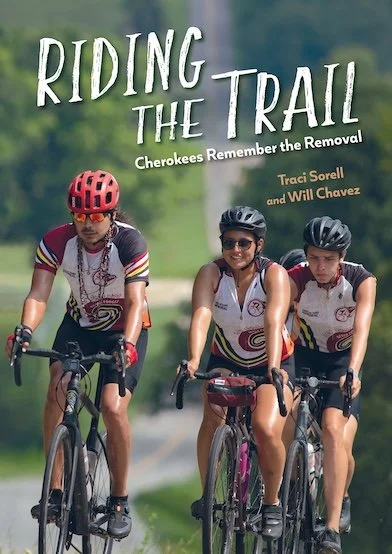
Process Talk: Traci Sorell on Riding the Trail
Riding the Trail: Cherokees Remember the Removal by Traci Sorell and Will Chavez is a tribute to history and the present, at once honoring ancestral tragedy and present-day community. When a Cherokee Nation biking team gathers to replicate a ride that took place in 1984, retracing one of the routes of the Cherokee forced removal of 1838-39, it’s a journey that unlocks the past in body and soul and spirit.
Traci Sorell, I’m so delighted to e-chat with you about this vibrant book, packed with information and illustrated with maps, original documents, art, and photographs.
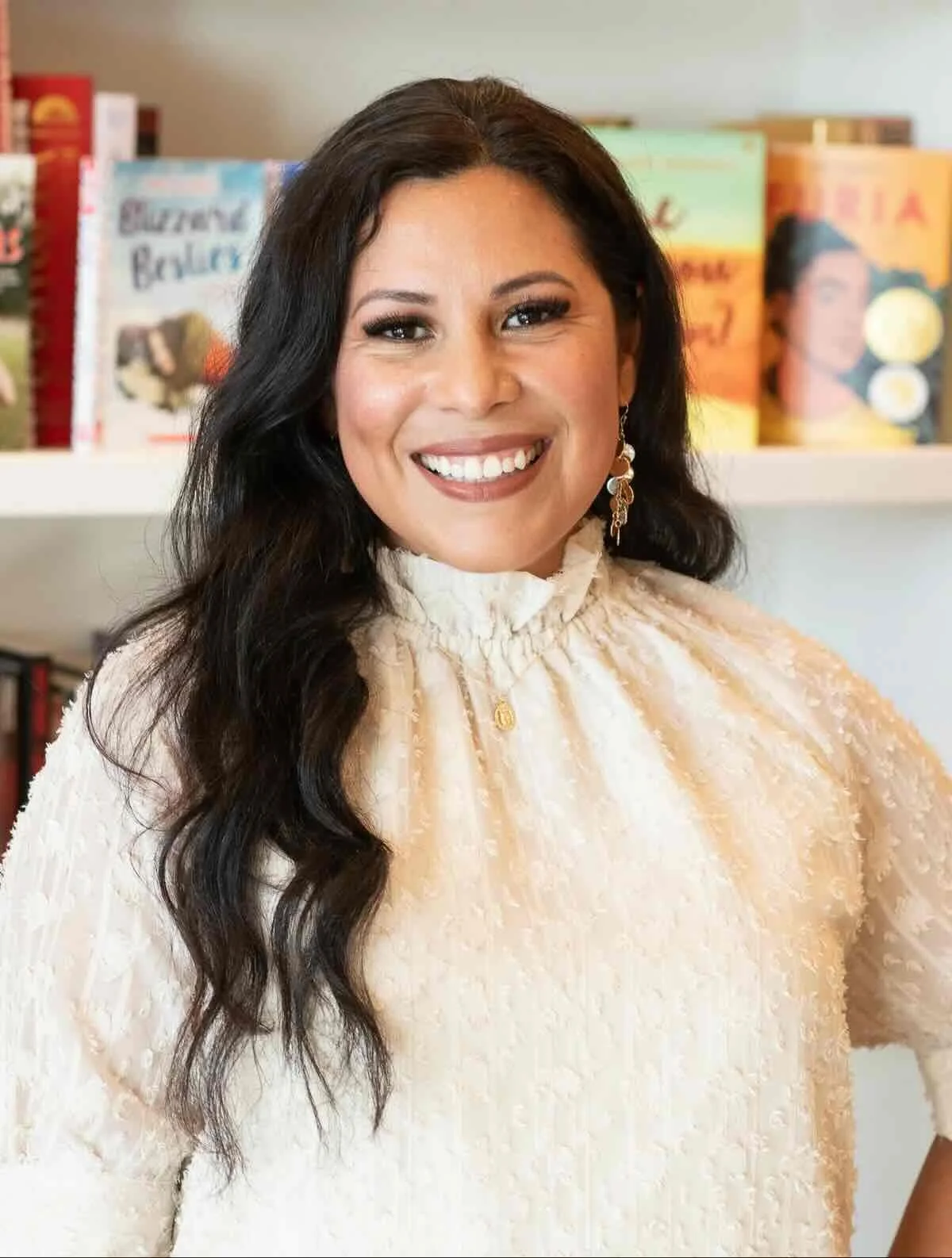
Process Talk: Yamile Saied Mendez on Writing Picture Books
Yamile Saied Mendez is an American writer, a VCFA alum, and the author of The Beautiful Game, Furia and the powerful, moving ode to the power of music, Hear Ye Mortals. But I have long wanted to talk to her about another way of writing, in another set of books she has worked to bring into the world—the small, vibrant form of the picture book. Here’s our conversation, that has emerged from a series of emails traded, dates set and reset, and complicated travel schedules navigated. Welcome, Yamile!
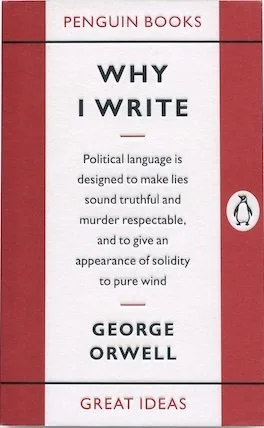
Ourselves in Orwell: Why I Write
1984 and Animal Farm may be the most obvious Orwell picks these days. Me, I’m reading Why I Write, a little Penguin compilation of four essays:
The titular “Why I Write” begins:
“From a very early age, perhaps the age of five or six, I knew that when I grew up I should be a writer. Between the ages of about 17 and 24 I tried to abandon this idea, but I did so with the consciousness that I was outraging my true nature and that sooner or later I should have to settle down and write books.”
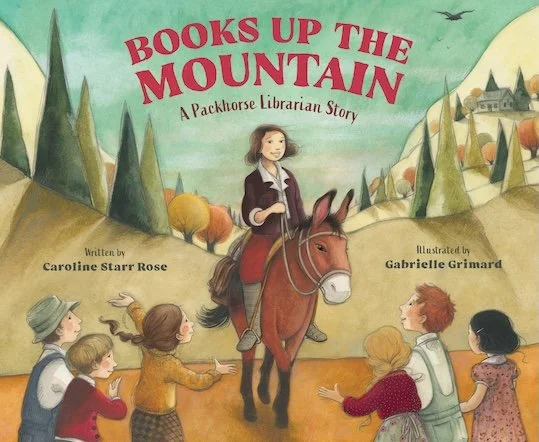
Process Talk: Caroline Starr Rose on Books Up the Mountain
A writing group is more than the sum of everyone in it. You share manuscripts at various stages of progress. Some fall by the wayside, others make it to completion. You celebrate successes and commiserate over the inevitable disappointments. You get to know one another and develop shorthands of communication that no one else understands. And every once in a while, you get to witness a story idea that the writer knows has arrived as a gift in her life and you are lucky that you are going to run alongside as she develops it.
Here’s one of those projects: Books Up the Mountain, a picture book by my friend and colleague Caroline Starr Rose, illustrated by Gabrielle Grimard. And here’s Caroline, e-chatting with me about the book.
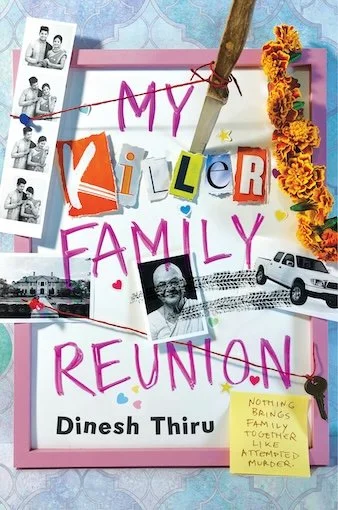
Process Talk: Dinesh Thiru on My Killer Family Reunion
An attempted murder at a large, noisy, unwieldy Indian American family reunion in New Jersey forms the inciting incident in Dinesh Thiru’s YA comedy-mystery, or maybe it’s a mystery-comedy—My Killer Family Reunion. When a rich and cantankerous woman like Grand Mom gets knocked down by a car, what’s not to be suspicious about? Because wasn’t she really knocked down by her nephew in order to get her out of the way of said speeding car, and if that’s the case, why did he have to push her down so hard that she suffered a severe concussion?
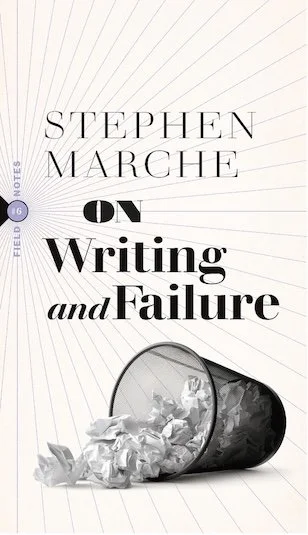
A Walk into the Dark Wilderness: On Writing and Failure by Stephen Marche
I thought I’d made peace with the writing demons of insecurity by acknowledging them and expecting to encounter them in the process of writing every single book. Then a recent review knocked me off my wise-woman pedestal.
History and the Uncertain Present in The White House Effect
Towards the end of last year, a time that seems now like an eon ago, I wrote about the oddities of a 1996 children’s book from GM, no less, that aimed to push—really!—an American electric car.
With little fanfare, electric cars had begun to appear on California’s roads. They were tested on select groups nationwide. They were quiet. They emitted no fumes. Their drivers loved them. Yet ten years later they were all gone. It would take another two decades for the EV to reappear as a viable, if partial and imperfect, way to reduce air pollution and greenhouse gas emissions. A 2006 documentary asks, why should we be haunted by the ghost of the electric car? Why, indeed?
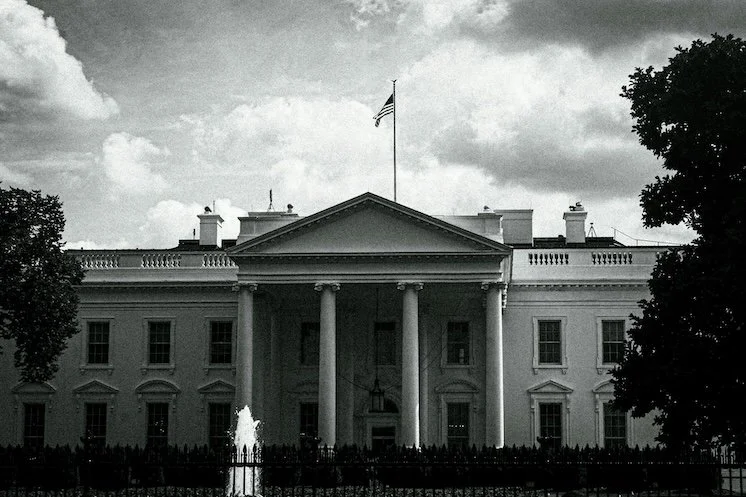
In similar vein, The White House Effect (2024), directed by Pedro Kos, Jon Shenk, and Bonni Cohen, is a thoughtful, often unsettling look at a moment when political leadership had an opportunity to change the trajectory of global warming. Policy windows were open. Scientific consensus that global warming was real and human-caused was solidifying. And yet, here we are today.
Open the Door and Enter: Three Times
I’ve always been fascinated by doors. I’m even trying to use one as a portal in a novel that is, I’m sad to say, currently refusing to bend to my will.
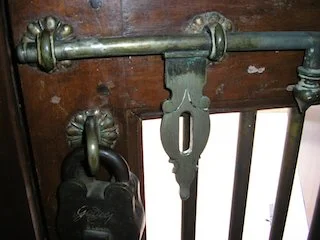
This door. with its brass crossbar latch and its loop for a dangling padlock, used to hang in my grandparents’ house in south India. When the house was sold, my parents moved the door to a new house they were building in a different city. As a result, I have this sense of doors being more than stationary objects that let people in and out. Also who can forget the doors on the spaceship Heart of Gold in The Hitchhiker's Guide to the Galaxy? (The humble one remains my favourite.)
Process Talk: Karthika Naïr and Joëlle Jolivet on Electric Birds of Pothakudi
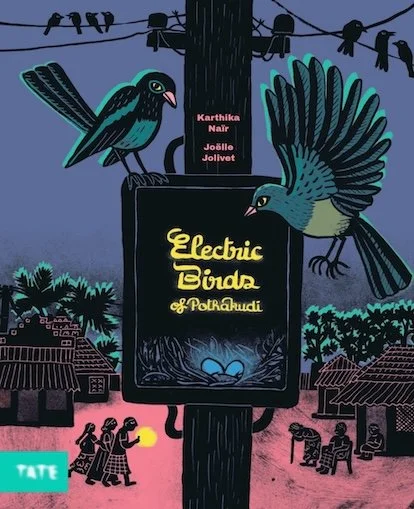
Electric Birds of Pothakudi is a picture book based on the true story of a villager in south India who took extraordinary action to protect a pair of nesting birds. It’s a strikingly illustrated book, in a bold mix of manual and digital work, with a palette that ranges from brooding to brilliant. I’m continuing my conversation with author Karthika Naïr, and also, I’m happy to add, looping in illustrator Joëlle Jolivet. Karthika kindly sent me several page scans scans from the French edition of the book, which I’m happy to include here as well. It’s always wonderful when a book finds expression in more than one language.
Empathy and Breaking the Rules in Cry by Alisa Valdés
I was a part-time cashier in a rare-books store when I died…
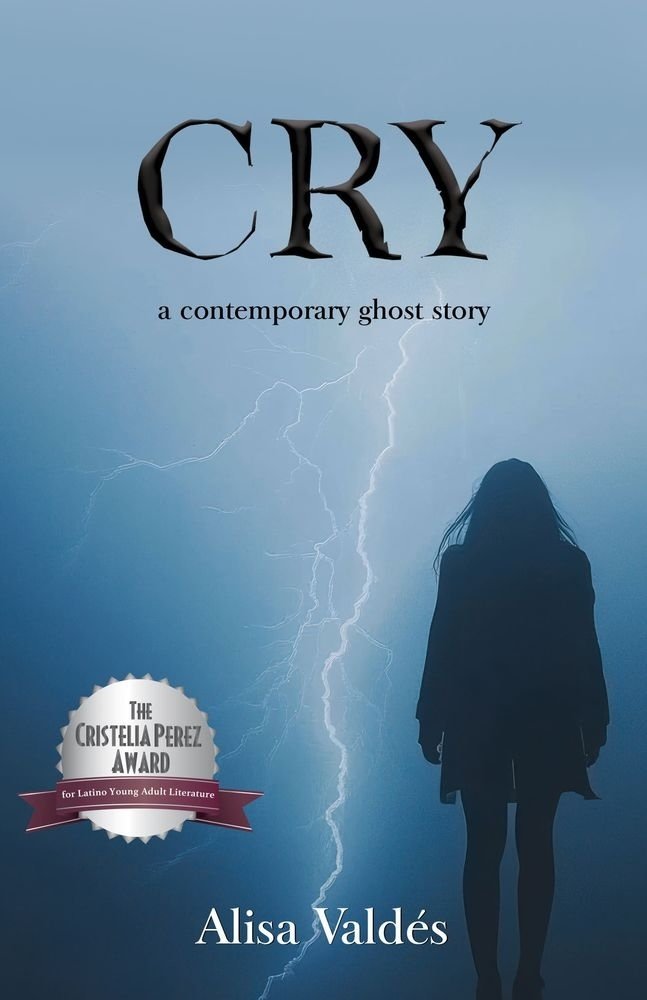
That’s the funny, idiosyncratic voice of the first-person narrator in Cry by Alisa Valdés. Altagracia Martínez (known as Grace) is a 16-year old bisexual goth filmmaker in Austin, Texas. She’s also battling internal demons, on account of having lost her own mother to suicide two years before the story begins. Grace isn’t wild about the “stenchmother” who is her father’s new wife, so there’s plenty of conflict brewing.
Process Talk: Karthika Naïr on Electric Birds of Pothakudi
Electric Birds of Pothakudi is a picture book based on the true story of a villager in south India who took extraordinary action to protect a pair of nesting birds. The book is an ode to its rural setting as well as to an act of compassion and really, you can’t disentangle the two. The titular birds (oriental magpie robins for all you English-speaking birders), are known in the region as vannathikuruvi. The name derives from the Tamil word for a person who washes clothes on a riverbank or lakeshore, as flocks of these passerine birds are seen in such places. Bird names in southern India are not only colloquial but utterly embedded in the landscape and somehow this story manages to capture that essence.
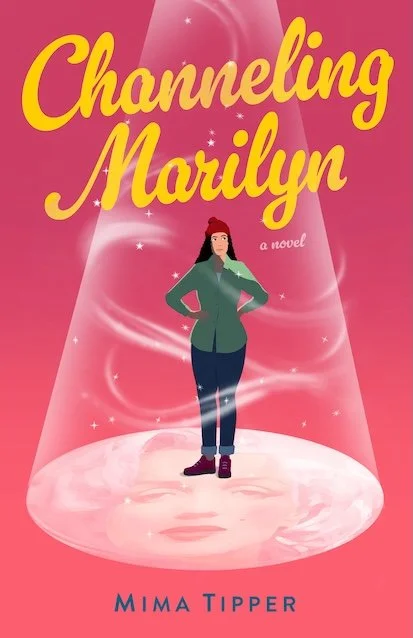
Guest Post: Mima Tipper on Channeling Marilyn
Seventeen-year-old Lexa Donovan’s timid, plus-size life goes sideways when the spirit of Marilyn Monroe takes up residence in her body in this laugh-out-loud funny paranormal YA tale perfect for fans of Lisa Schroeder and Ashley Poston.
That’s from the publisher description of Mima Tipper’s new YA novel, Channeling Marilyn, featuring none other than the ghostly presence of—ta da!—Marilyn Monroe. Wish you’d thought of that, right?
The star who became an icon, who wowed generations, turns up to aid a girl whose longings are matched only by her own self-doubt. How on earth can Lexa manage to pull off a role famously played by the goddess of the silver screen herself?
Mima Tipper spools out a charming, funny storyline ahead of her engaging character. It’s replete with obstacles. There’s a crush. There’s a little bit of a triangle. There’s fear. There’s stage-fright. And then Marilyn, wouldn't you know, starts reaching beyond her role of resident mentor and coach. And under it all is a layer of loss and grieving.
Here’s Mima to give us a curious, unexpected perspective on writing this book—its dedication:
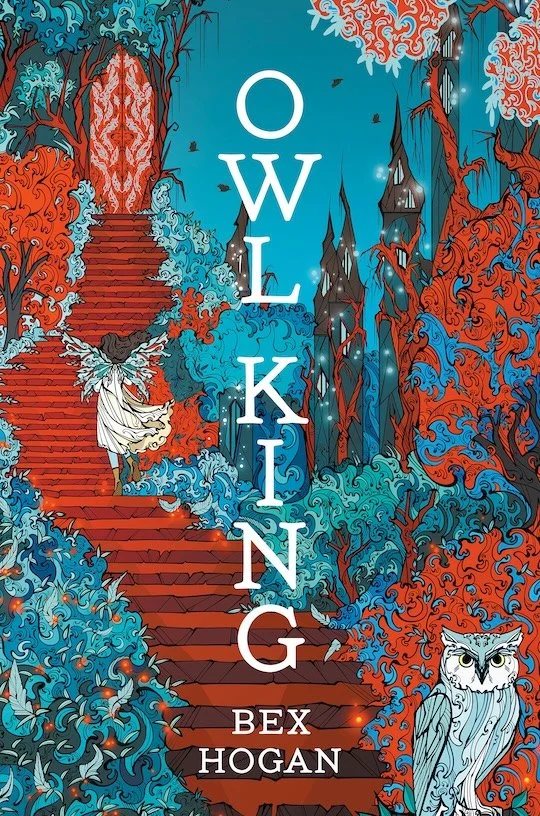
Guest Post: Bex Hogan on Owl King
Nettle by UK writer Bex Hogan (“a Cornish girl at heart”) is the first book in the Faery Realms series. As Nettle stumbles into a parallel world, placing her grandmother in grave danger, she’s taken captive by a malevolent faery king and given impossible tasks to complete. If this is reminiscent of fairy tale tropes that resemblance comes from both influence and intent.
Even while Nettle’s untangling relationships of the heart, she finds out who she is and how she became trapped in her circumstances—and what, in the end, she cares about. The prose spools out in a clear first person, past tense narrative, the protagonist’s perspective revealing the story and its setting in well-paced sequence.
Excerpt:
The air was thick with magic, I could practically taste it and I knew that while this place was hauntingly beautiful, it was also undoubtedly dangerous.
In Owl King, we return to that faery world, where the borders between the magical and human worlds are porous yet jealously guarded, power is wielded by flawed characters susceptible to impulse, and matters of the heart can govern the fates of many. Echoes of Scheherazade play through the stories that Lyla tells the titular Owl King, even as her sister Ilsette tries desperately to free her. The nested tales are scattered through the book, some tender and nurturing, others cautionary in nature.
Here’s Bex Hogan herself, reflecting on the influence of fairy tales on writing this book. Welcome, Bex!
Process Talk: Martha Brockenbrough on A Gift of Dust
Martha Brockenbrough (she who wrote that amazingly perceptive book about 45-47, way before rising numbers of the public cottoned onto his deceits and conceits) has now written a picture book that dazzles while it informs. A Gift of Dust: How Saharan Plumes Feed the Planet sings in rhythms, plays with words, and manages to make room for its audience in the magnificent world it encircles. All the way from “that certain slant of light” in the opening to the single word “tomorrow” on the last spread, the text pays simultaneous homage to poetry and the science of a single marvelous natural phenomenon. I asked Martha to tell me more about where this book came from.
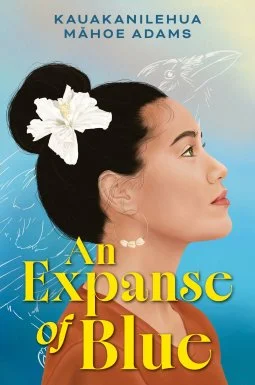
Guest Post: Kaua Adams on An Expanse of Blue
Kauakanilehua Māhoe Adams and I crossed paths two years ago over a project I’d been nurturing for a while. She is now my collaborator on this work, which is absolutely all I can say at the moment. We hope that one day, it will find a form that honors the material and people that have moved us both and brought us together as partners in craft.
Coincidentally, I was delighted to find out that Kaua is also a graduate of the VCFA MFA program in Writing for Children and Young Adults where I taught for 16 years.
Kaua writes poetry and short stories and now she has written a verse novel, An Expanse of Blue, that draws on her own Hawaiian heritage.
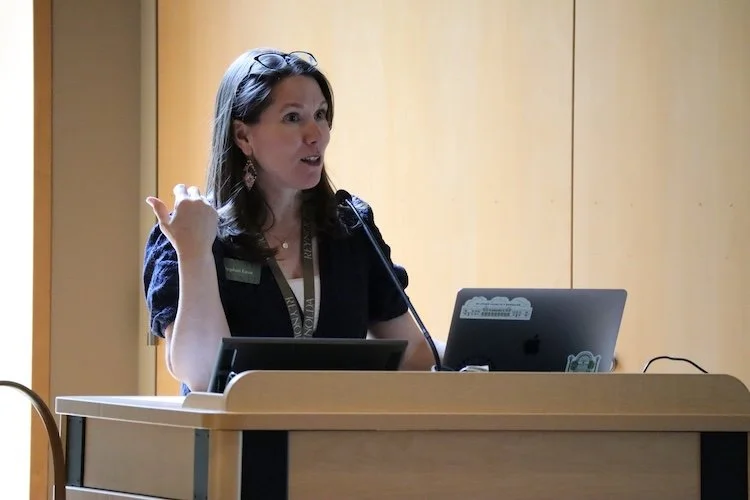
Guest Post: Stephani Eaton on Taking Her Writing Life Off the Page
One of the great joys of having taught writing for a couple of decades is hearing from former students about their journeys beyond our time together.
Stephani Eaton was one of my students who wrote delicate, inviting picture book text. She also had a rare feel for what lay beneath the words in books she read. Even her essays were fun to read. I always looked forward to seeing her work in the monthly packets that my teaching life revolved around. But we connected in other ways, too, around reading and history and always the way that stories manifest in life.
It turns out that story can take many forms in a writer’s life—and some of us need jobs that involve engaging with other people on a daily basis. Here’s Stephani on how she walked her writing mind into quite another space—a museum. Here’s a museum with a layered and complex history that takes patience and inquiry to unpack and interpret. Stephani reflects on her role in doing just that.
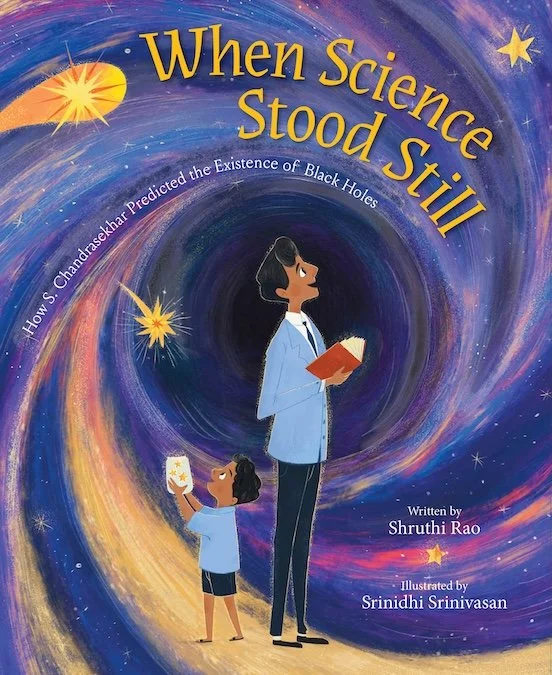
Guest Post: Shruthi Rao on When Science Stood Still
Sometimes you come across a book someone else wrote that taps precisely into a story you wanted to tell yourself, that you perhaps tried to tell and never quite managed to. That’s part of the writing life. You chalk it up to experience and move on. But wait, twice? Twice, and it turns out to be the same writer who snagged the very story fruit you were reaching for? Can this happen twice?
Reader, it did. Shruthi Rao has managed to bring to the page two-count-em-two book ideas I tried desperately to pitch for decades without finding traction. What was the problem? Timing? Focus? Execution? Too much critique? Not enough? Who knows?
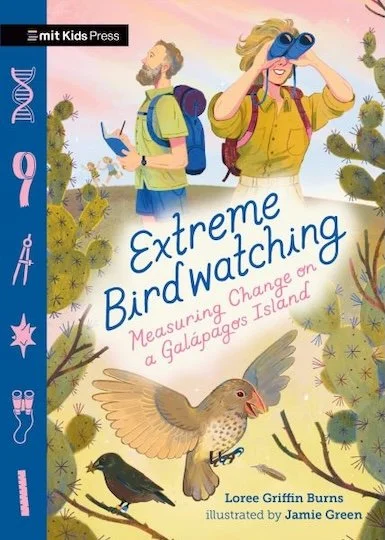
Guest Post: Loree Griffin Burns on Extreme Birdwatching
In Extreme Birdwatching: Measuring Change on a Galapagos Island, Loree Griffin Burns zooms in on a single island from the famed archipelago. Welcome to Daphne, not the kind of island you might go to for a beach vacation—no sandy beaches or resorts or even shade, and its volcanic crater is home to thousands of nesting blue-footed boobies:
For all these reasons, most people who visit this part of the world sail right past Daphne. But there are an unusually determined and curious few who’ve stopped, who’ve gone ashore, and who’ve seen astonishing things there.
This is the story of those people. Even more, it’s the story of those astonishing things.
Loree’s book is packed with information as it traces Peter and Rosemary Grant’s four-year study of the finches on Daphne Island. They studied hundreds of birds twice each year, precisely measuring their beaks, wings, and bodies, banding them, and recording the entire process. Illustrated by Jamie Green, this book is also filled with a clear affection for those “astonishing things” that abound on the island and for the people, no less admirable, who study them.
Loree writes here about using the power of story to persuade, writing through the human complications of opposing beliefs, and toward understanding.