Guest Post: Bex Hogan on Owl King
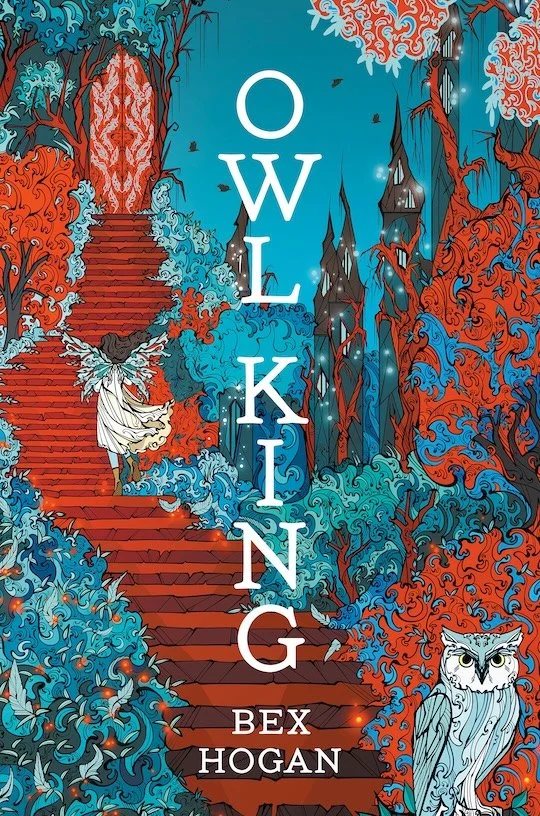
Nettle by UK writer Bex Hogan (“a Cornish girl at heart”) is the first book in the Faery Realms series. As Nettle stumbles into a parallel world, placing her grandmother in grave danger, she’s taken captive by a malevolent faery king and given impossible tasks to complete. If this is reminiscent of fairy tale tropes that resemblance comes from both influence and intent.
Even while Nettle’s untangling relationships of the heart, she finds out who she is and how she became trapped in her circumstances—and what, in the end, she cares about. The prose spools out in a clear first person, past tense narrative, the protagonist’s perspective revealing the story and its setting in well-paced sequence.
Excerpt:
The air was thick with magic, I could practically taste it and I knew that while this place was hauntingly beautiful, it was also undoubtedly dangerous.
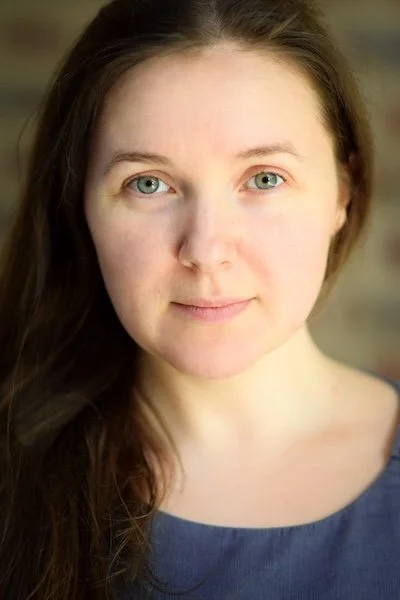
Photo courtesy of Bex Hogan
In Owl King, we return to that faery world, where the borders between the magical and human worlds are porous yet jealously guarded, power is wielded by flawed characters susceptible to impulse, and matters of the heart can govern the fates of many. Echoes of Scheherazade play through the stories that Lyla tells the titular Owl King, even as her sister Ilsette tries desperately to free her. The nested tales are scattered through the book, some tender and nurturing, others cautionary in nature.
Here’s Bex Hogan, reflecting on the influence of fairy tales on writing this book. Welcome, Bex!
The Frame Story and its Effects in Owl King
by Bex Hogan
Owl King tells the story of two faery sisters, Ilsette and Lyla, who are trying to survive the cruel schemes of their king. His many previous queens have disappeared, and when his eye falls on Lyla, it seems her fate is sealed. The main plot follows Ilsette as she travels across the realms to find a talisman she believes will save her sister. The subplot sees Lyla tell stories to the Owl King to buy herself time and stay the king’s hand.
“As the book is set in a kingdom where the faeries can transform into birds, each of the individual tales is told from a bird’s point of view. They allowed me to explore different kinds of love in a way I wouldn’t have been able to otherwise. ”
One of the main inspirations for Owl King was One Thousand and One Nights, where Scheherazade tells the king tales each night to save herself from being executed. One Thousand and One Nights is a famous example of a frame story, a literary technique wherein one story contains smaller ones within it. These short stories can help further the narrative by offering different perspectives, narrators, or points in history. This was a device I chose for my book, where Lyla’s stories to the Owl King could not only offer an alternative way to develop their relationship, but also allowed the reader to gain a deeper sense of the wider world and its history. It serves more than one purpose, yet drives the narrative forward in a varied way.
In 1634, Italian writer Giambattista Basile published The Pentamerone. This is another example of a highly influential frame story. While The Pentamerone itself may not be a household name, some of the short stories within it certainly are – it includes early versions of Cinderella, Rapunzel, Sleeping Beauty, and Hansel and Gretel, to name but a few. There’s a huge amount of appeal in this structure, both to a writer and a reader. From a writing perspective, it allows a creative diversity, as well as a challenge. To a reader, it offers the chance to read more than one story, while maintaining a connective thread between them.
It's also a fantastic device to use when writing for a younger audience. It’s harder than ever to compete with all the other distractions young people have these days, be that the pressures of school or the instant appeal of phones and the various media available to them. One great way is to offer shorter, more manageable stories that can be consumed in smaller bursts, and the short stories within the frame can allow just that. We have, after all, been taking them from their original collections and telling them as brief standalones and bedtime stories for generations.
So taking my inspiration from these influential sources, I set out to write my own version of a frame story with Owl King. In mine, the short stories don’t make up a huge amount of the overall book, but they were certainly one of my favorite parts to create. As the book is set in a kingdom where the faeries can transform into birds, each of the individual tales is told from a bird’s point of view. They allowed me to explore different kinds of love in a way I wouldn’t have been able to otherwise. But possibly most importantly, I felt they added a sense of timelessness to the world I’ve created, because where there is history, there are stories. Traditional fairy tales have endured for centuries, and so when creating my own, I will happily draw on them for inspiration in every way.
Nettle and Owl King stand alone quite nicely, although it was fun to recognize characters from one book in the other. The societies depicted share a lush, invented geography and lore while remaining distinct. Oh, and there’s a dramatic plot twist at the end of Owl King. It’s foreshadowed elegantly in one of Lyla’s stories, and yet it startled me into questioning where I thought the story was going, made me up-end my own assumptions. I’d love to see where this writer takes these characters and others next, in the richly crafted world these books deliver.