Writing With a Broken Tusk

Writing With a Broken Tusk began in 2006 as a blog about overlapping geographies, personal and real-world, and writing books for children. Since March 2024, Jen Breach (writer, VCFA graduate, and former student) has helped me curate and manage guest posts and Process Talk pieces on this blog.
The blog name refers to the mythical pact between the poet Vyaasa and the Hindu elephant headed god Ganesha who was his scribe during the composition of the epic narrative, the Mahabharata. It also refers to my second published book, edited by the generous and brilliant Diantha Thorpe of Linnet Books/The Shoe String Press, published in 1996, acquired and republished by August House, now part of Reading Is Fundamental, and still miraculously in print.
Posts on this site reflect personal opinion and commentary protected under the Canadian Charter of Rights and Freedoms and the First Amendment of the US Constitution.
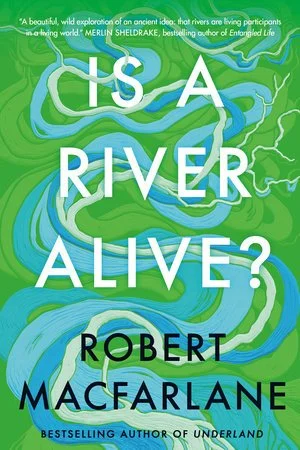
Landscape and Language in Robert Macfarlane’s Is a River Alive?
In Landmarks, Robert Macfarlane wrote about the land in ways that made me feel as if I could touch the moss, hear the water flow. His prose enchanted, prompting me to read out loud. But I have only ever been a tourist in England, so while I was dazzled by the intricate connections of land and language, Landmarks, on the whole, spoke to me intellectually rather than emotionally. This book is different. Is a River Alive? flows through three distinct waterscapes and links them inescapably with our own human water bodies.