Writing With a Broken Tusk

Writing With a Broken Tusk began in 2006 as a blog about overlapping geographies, personal and real-world, and writing books for children. Since March 2024, Jen Breach (writer, VCFA graduate, and former student) has helped me curate and manage guest posts and Process Talk pieces on this blog.
The blog name refers to the mythical pact between the poet Vyaasa and the Hindu elephant headed god Ganesha who was his scribe during the composition of the epic narrative, the Mahabharata. It also refers to my second published book, edited by the generous and brilliant Diantha Thorpe of Linnet Books/The Shoe String Press, published in 1996, acquired and republished by August House, now part of Reading Is Fundamental, and still miraculously in print.
Posts on this site reflect personal opinion and commentary protected under the Canadian Charter of Rights and Freedoms and the First Amendment of the US Constitution.
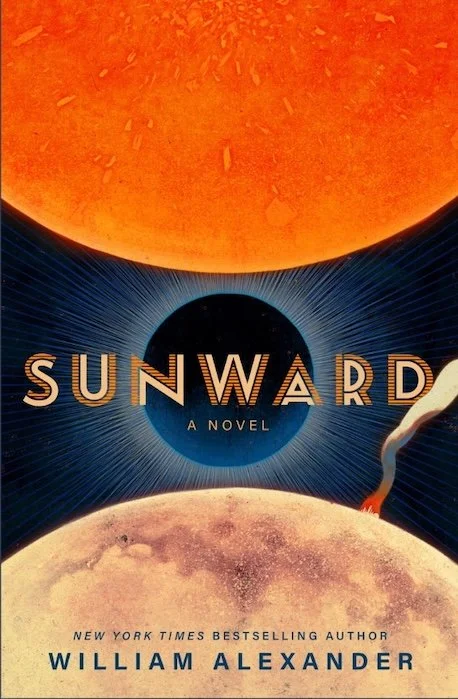
Guest Post: William Alexander on Sunward
When I taught at VCFA, I had the pleasure of serving on faculty with plenty of smart, informed, talented writers. Among them was William Alexander. Will is the author of Goblin Secrets (a National Book Award winner), Nomad, A Properly Unhaunted Place, and other novels, as well as chapter books both fiction and non.
Now he’s written a book for grownups, Sunward, in which the protagonist, Tova Lir, is a planetary courier responsible for training adolescent androids.Is this space opera, or cozy sci-fi? Maybe it’s both. In the world of Sunward, robotic kids need care, nurturing, raising, much like human kids. The novel is set in a solar system racked by interplanetary conflict in the wake of an explosion on Earth’s moon. In the best sci-fi tradition, this is at once our world, and not.
Allow me a brief digression. This blog, Writing With a Broken Tusk, is named for a boy who was made, not born. That’s the essence of the origin story (over a thousand years old) of Ganesha/Ganesh, the elephant headed god of Hindu tradition. The goddess Parvati made him—from earth, in some tellings and in others, from dirt and/or skin cells sloughed off her own body. A post about a book that deals with raising robotic foster children felt like a good fit here.
In Sunward, fiction creates dynamic possibilities out of the dismal future projections that inundate us. It also contains implications for real children. Thank you, Will, for indulging me and writing this guest post for WWBT.