Process Talk: Yamile Saied Mendez on Writing Picture Books
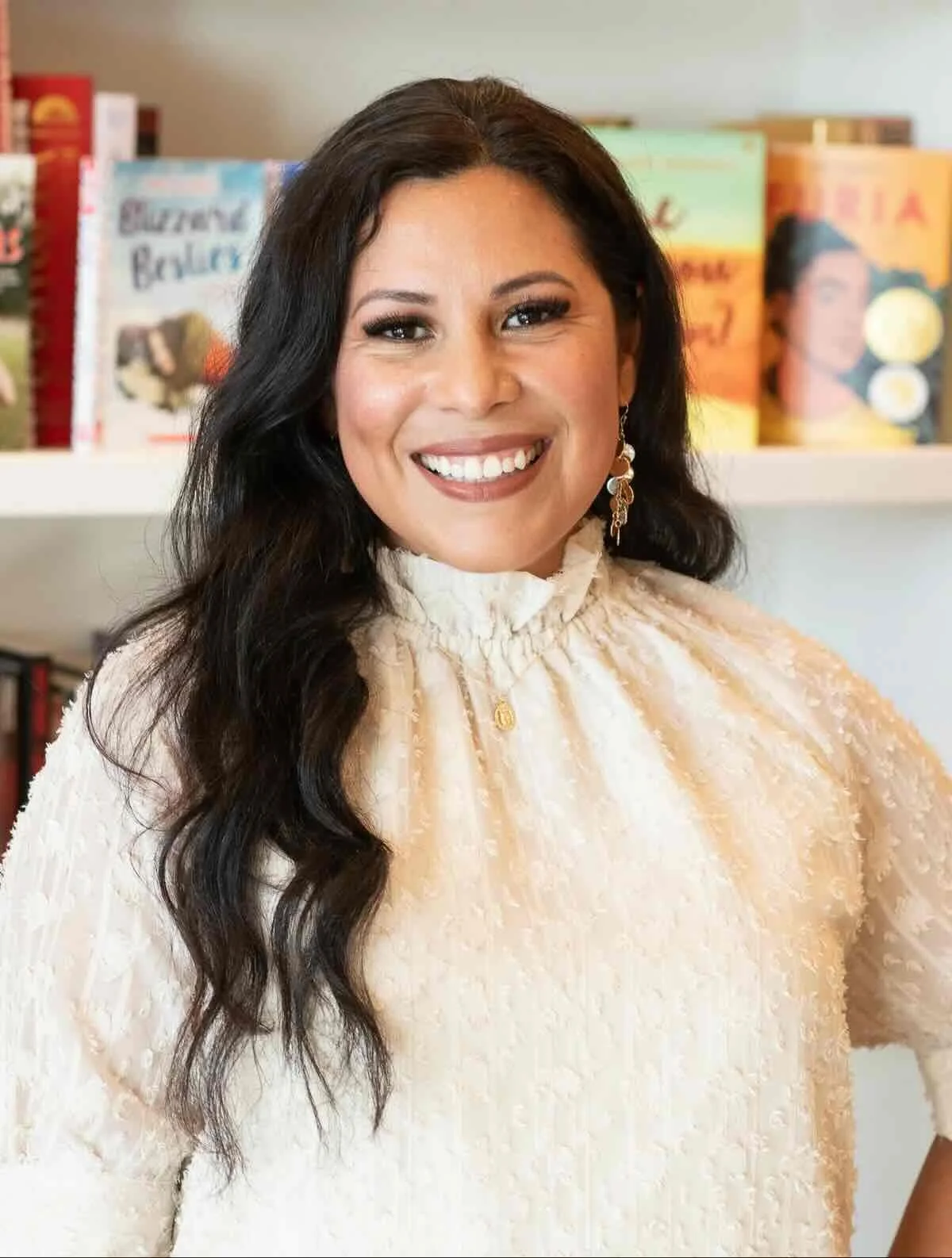
Photo courtesy of Yamile Saied Mendez
Yamile Saied Mendez is an American writer, a VCFA alum, and the author of The Beautiful Game, Furia (Pura Bel Pré Award winner) and her fierce, moving ode to the power of music, Hear Ye Mortals. But I have long wanted to talk to her about another way of writing, in another set of books she has worked to bring into the world—the small, vibrant form of the picture book. Here’s our conversation, drawn at last from a series of emails traded, dates set and reset, and complicated travel schedules navigated. Welcome, Yamile!
[Uma] I heard you talk once, it must have been at a VCFA residency, about having been a “solitary hungry grasshopper in a cornfield,” hopping through the world looking for stories to devour and recreate. How did your little inner grasshopper land on the picture book?
[Yamile] I love that you remember that! Maybe I should write a story about a story hungry grasshopper :P
[Uma] Maybe. I’d venture to add that it should be a picture book.
“I need to trust my reader more and myself as a storyteller as I try to engage two audiences at once: the child who might not be a reader yet, and the person reading aloud. ”
[Yamile] Picture books were my first access to books, as it is with most young readers. And then when I was a busy young mom, they were the easiest way for me to still read for pleasure and also to my children. Picture books are a perfect bridge to bring different age groups together. They're so varied, there's something for every mood: funny, witty, instructional, aspirational, adventurous, etc. I love picture books!
[Uma] I do too. What do you think is different about writing a picture book? Different from prose? Different from poetry? Different from writing without pictures in mind? Explore those differences for me if you will.
[Yamile] Picture books are so complex! There's a saying that goes: Easy reading means there was hard writing behind the scenes, or something like that, and I stand by it! Picture books need to be accessible but never talking down to the reader. There's a lot of thought that goes into word choice, rhythm, page turns, and leaving space for illustrations to do the story telling that I don't deal with in prose or novels. Some of my picture books are poetic, but not strictly poetry, since I don't keep track of measures or metrics that pertain to poetry (or at least I don't do so consciously). I need to trust my reader more and myself as a storyteller as I try to engage two audiences at once: the child who might not be a reader yet, and the person reading aloud. It's a lot harder than it sounds like, but I read a lot of picture books to keep these parameters fresh in my mind as I write and revise.
[Uma] What was your favorite picture book writing experience? What was your most challenging?
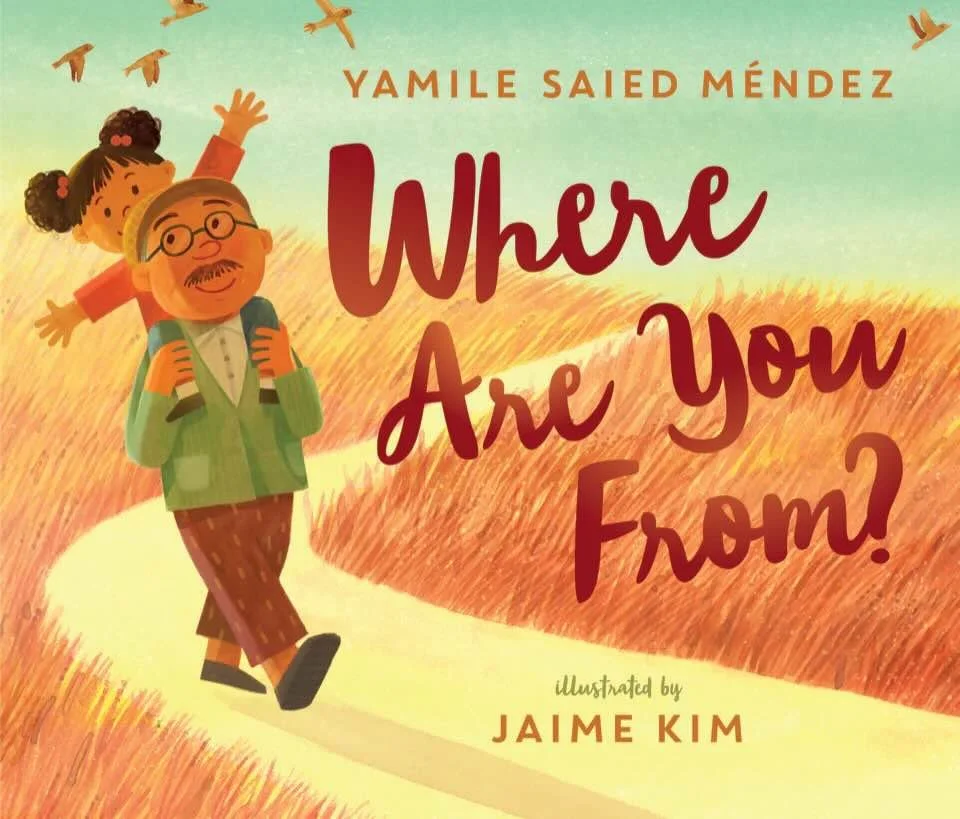
[Yamile] My favorite picture book experience was with Where Are You From? mostly because I didn't know what I was doing :P
I just wrote from the heart. I credit all the picture books and other stories I'd been studying during my MFA program for how seemingly easy the story came to me. It was originally a poem for my children, and I had to revise very little for the final version. I view that experience as a boon from the universe to keep me motivated to keep chasing that high. It's never happened to me since, but I hope it will again.
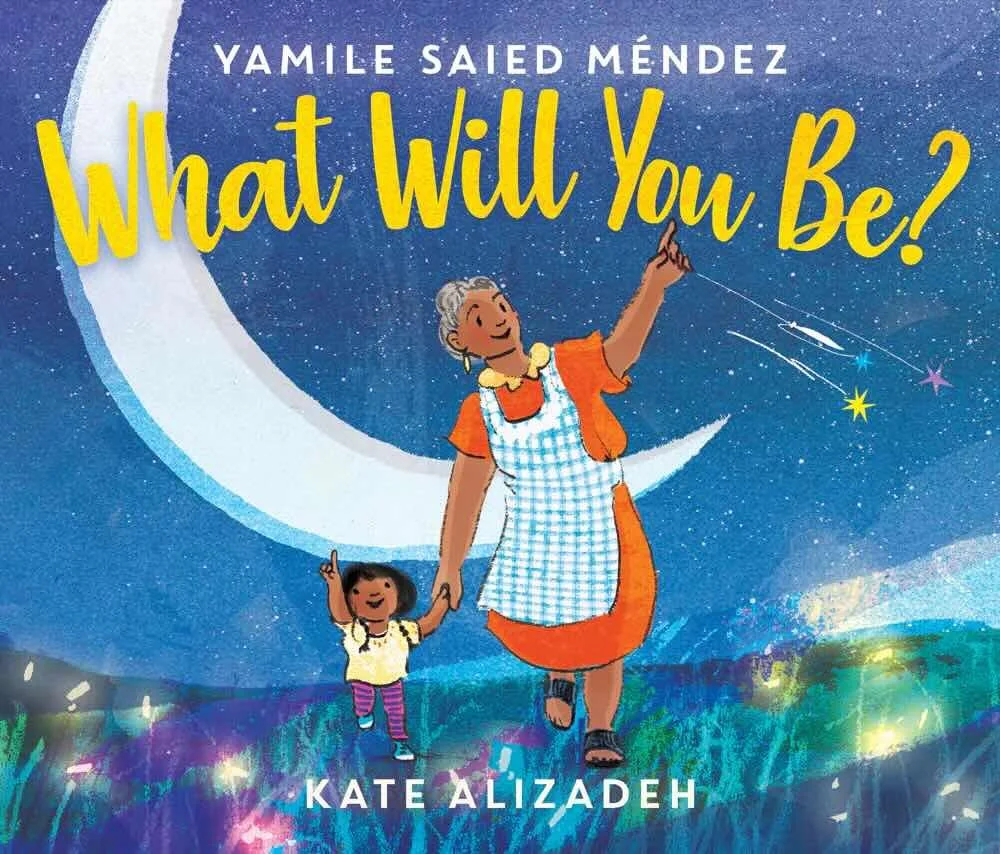
The most challenging was What Will You Be? because famously, second books are hard and this wasn't the exception. I kept trying to replicate my first experience and I had to learn that each book has its own journey and I have to be okay with that. Even though that book turned out beautiful and I'm so proud of it, and it has received a lot of accolades, those have been modest compared to Where Are You From? and I've made my peace with that. Once a book is out, it's not mine anymore.
The World's Game was a combination of the two. The concept came very easily to me, but I went through several rounds of revision in which the manuscript change dramatically from one version to the other. It was a great exercise in collaboration with my editor and the illustrator, and I'm delighted with the end result.
[Uma] Picture books speak visually and verbally (auditorily, because they’re so often read out loud) to readers. What else would you like to say, either to me as a reader or to other readers of your picture books?
[Yamile] I just want to say thanks to you, Uma, for this space, and to readers for completing the reading cycle with me by making my books their own and sharing them with others. Regardless of the challenges we face as a society, books and storytelling remain one of our greatest accomplishments. Keep reading!
[Uma] “Regardless of the challenges…” I like that, Yamile. We need to keep our eyes on the work we do, and hold fast to the power of the stories we tell. Thank you, my friend, for lending your voice to this space.